Oct 12, 2026Buying Guides
Low Voltage Shunt Capacitor Selection Guide | BOSTENE
Learn how to choose low voltage shunt capacitors for power factor correction. Compare voltage, kVAR ratings, self-healing technology and installation requirements.
Low Voltage Shunt Capacitor for Power Factor Correction: How to Choose the Right Model
Choosing the right low voltage shunt capacitor is important for industrial power factor correction systems. Whether replacing an existing capacitor or building a new compensation cabinet, buyers need to confirm the electrical ratings, installation conditions and compatibility with the overall system.
A capacitor with the correct physical dimensions may still be unsuitable if its voltage or reactive power rating does not match the application.
Description
Low voltage shunt capacitors are used to provide reactive power compensation in electrical distribution systems. When properly selected, they help improve power factor and reduce reactive power demand from the supply.
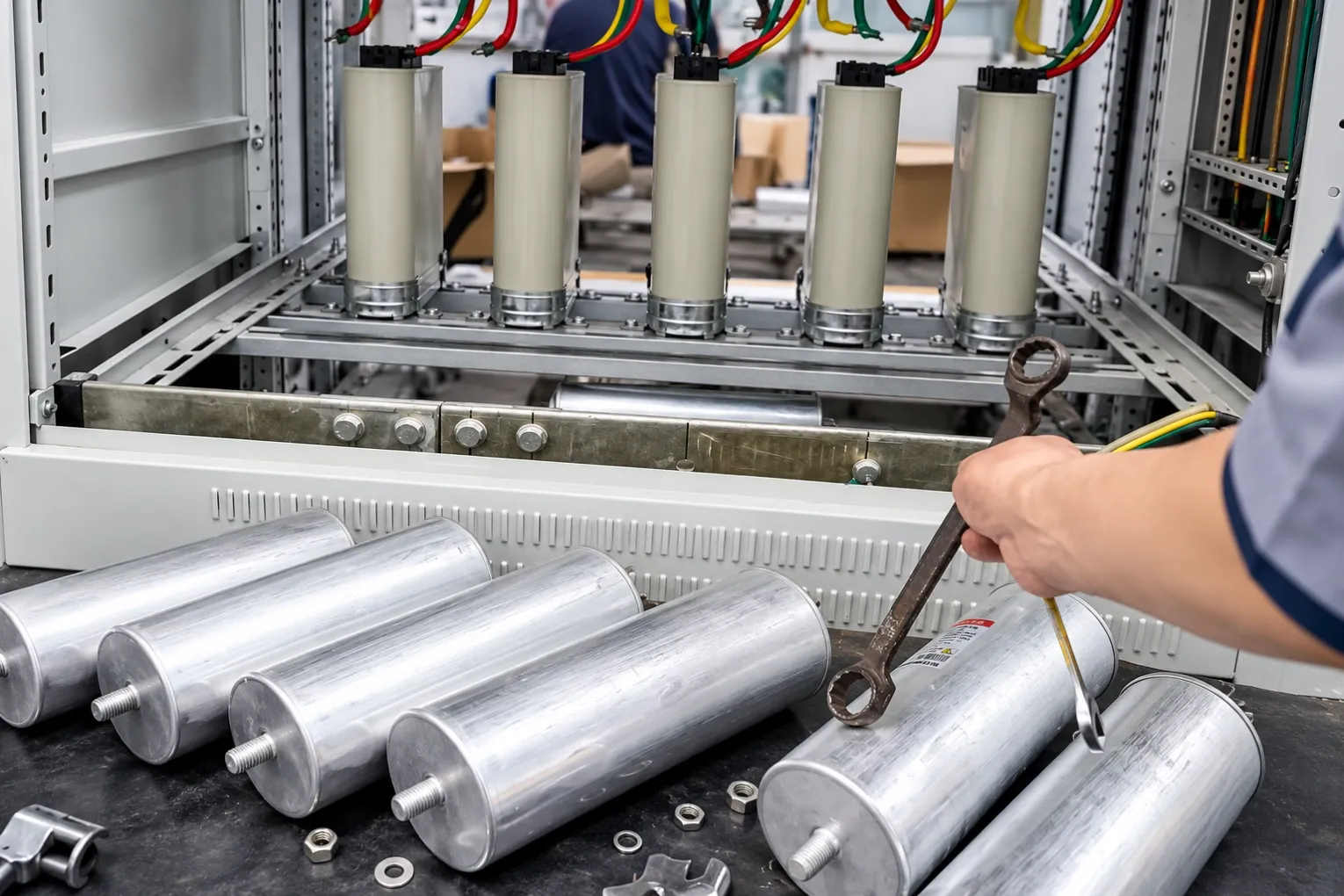
The self-healing design uses metallized polypropylene film dielectric, which can isolate certain localized dielectric faults. The metal housing and compact construction allow these capacitors to be installed in suitable power factor correction cabinets.
Key Specifications
Parameter | Specification |
|---|---|
Product Type | Low Voltage Shunt Capacitor |
Dielectric | Metallized Polypropylene Film |
Technology | Self-Healing |
Rated Voltage | According to Selected Model |
Reactive Power | kVAR Rating According to Model |
Frequency | 50/60 Hz, Model Dependent |
Housing | Metal Enclosure |
Installation | Indoor, Subject to Model Requirements |
Exact ratings, dimensions and operating limits should be confirmed from the selected model's technical datasheet.
Applications
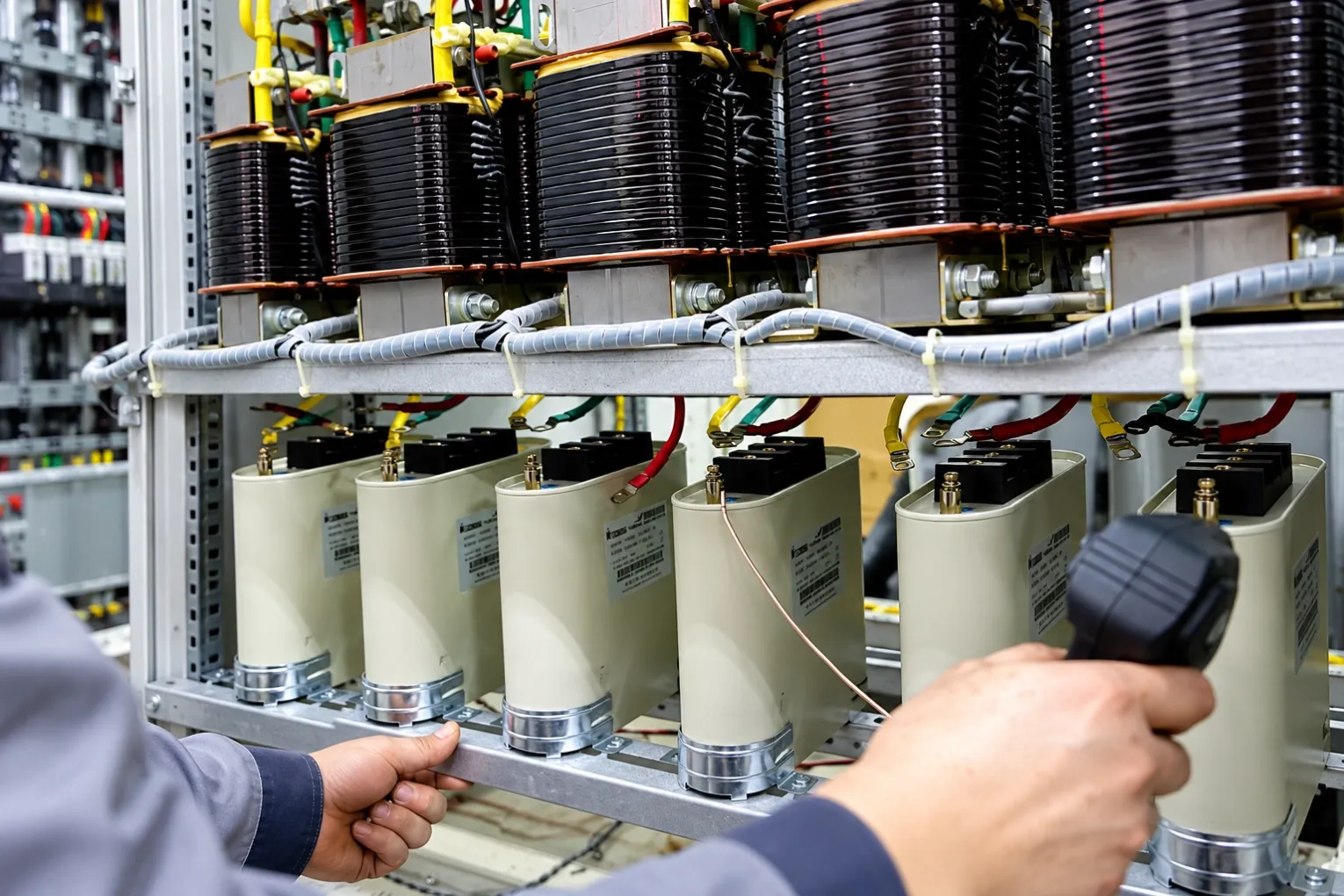
Typical applications include industrial capacitor banks, automatic power factor correction panels, reactive power compensation cabinets and low-voltage distribution systems.
What Should You Check Before Buying?
The most important specifications are the rated voltage, kVAR capacity, frequency and connection arrangement.
For replacement projects, check the existing capacitor nameplate rather than selecting a new unit based only on its appearance. Confirm the terminal arrangement, mounting dimensions and available cabinet space.
For new capacitor banks, the required compensation capacity should be determined from the electrical system's actual operating conditions.
Why Do Harmonics Matter?
Electrical systems containing variable frequency drives, UPS equipment or other nonlinear loads may experience harmonic distortion.
These conditions can affect capacitor operation and may require a different compensation arrangement, such as a detuned capacitor bank. Harmonic conditions should be evaluated before finalizing the capacitor selection.
What Information Is Needed for a Quote?
To request a BOSTENE low voltage shunt capacitor quotation, provide the required voltage, kVAR rating, frequency, quantity and installation requirements.
For replacement orders, include a photo of the existing capacitor nameplate and its dimensions. For new projects, a single-line diagram and basic load information can help clarify the required configuration.
Confirming these details before ordering helps reduce the risk of receiving capacitors that do not match the intended electrical system.